



Pollinator Paradise
Story by Hailey Wist
Native plants are vital to the health of our Island ecosystem. Co-evolved with regional wildlife over centuries, natives are adapted to provide food and shelter to pollinators, birds, and other species that depend on them for survival. Unlike non-native species, they thrive without excessive water, fertilizer, or pesticides. Natives also stabilize soil, prevent erosion, and support biodiversity, creating a ripple effect that strengthens the entire web of life.
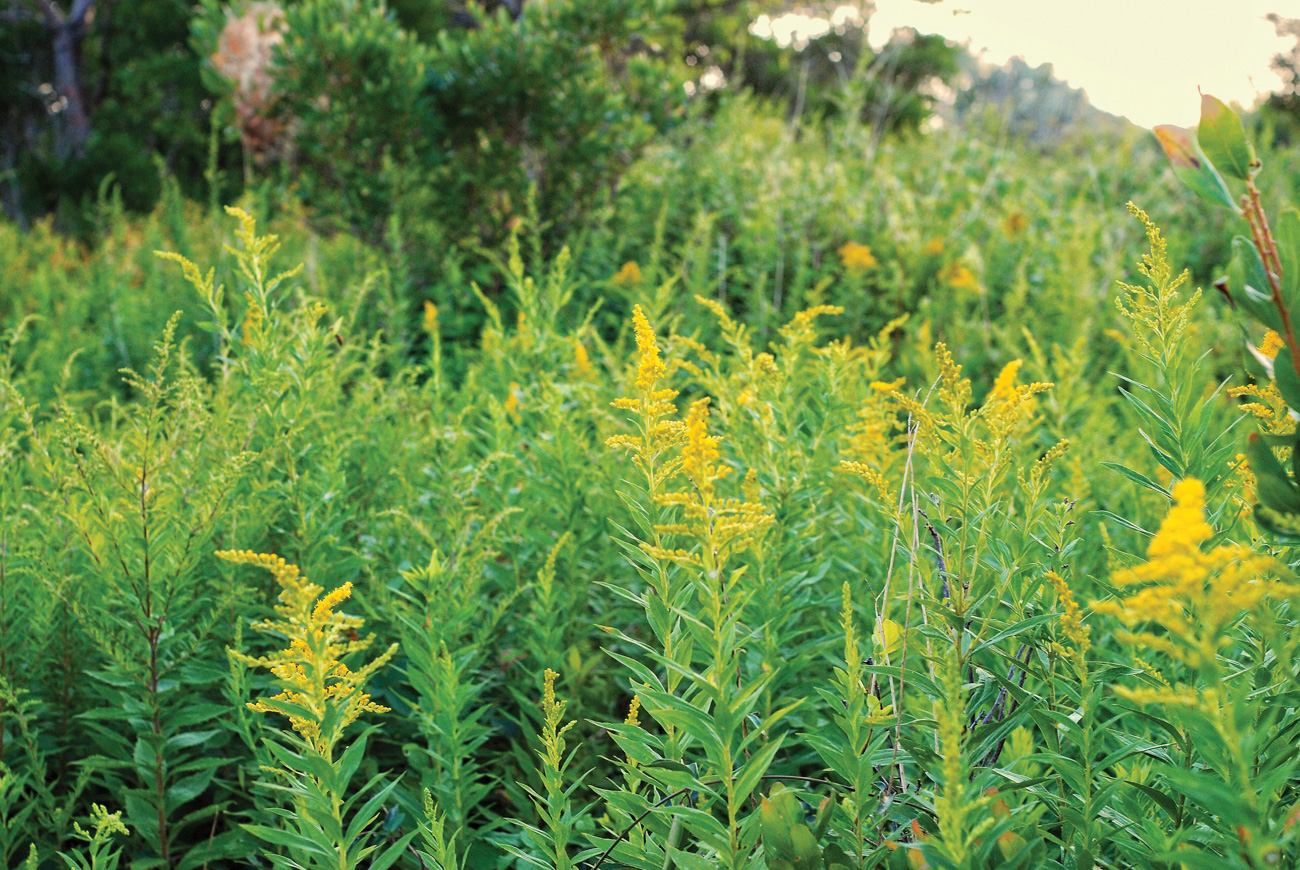
Seaside Goldenrod
Solidago sempervirens
Solidago sempervirens, or seaside goldenrod, thrives in salt-tolerant environments, playing a key role in stabilizing dunes and preventing soil erosion. Its bright yellow flowers attract a wide range of pollinators, including bees, butterflies, and other insects but also provides important much-needed late-season seeds for birds during the fall and winter months.
Planting tips:
Full Sun || Well-drained, Sandy or Loamy Soil || Moderate to High Moisture
For bumblebees, honey bees, and butterflies
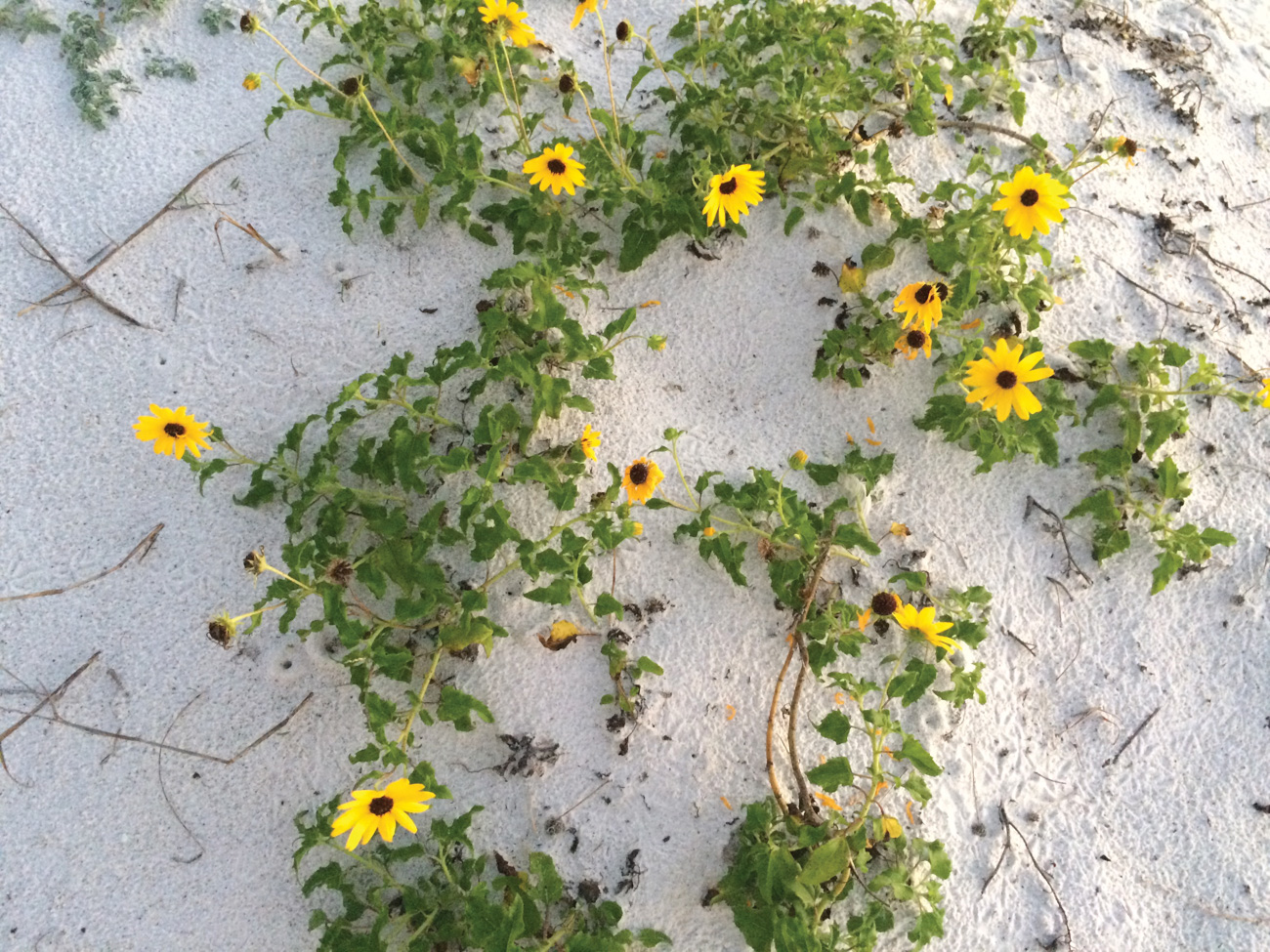
Beach Sunflower
Helianthus debilis
Helianthus debilis, commonly known as beach sunflower, is a salt-tolerant, low-growing native that thrives in coastal and sandy environments, helping to stabilize the soil and prevent erosion. Its bright yellow flowers attract a variety of pollinators, including bees, butterflies, and seed-eating birds.
Planting tips:
Full Sun || Sandy, Well-drained Soil || Low to Moderate Moisture
For honey bees, bumblebees, and native bees
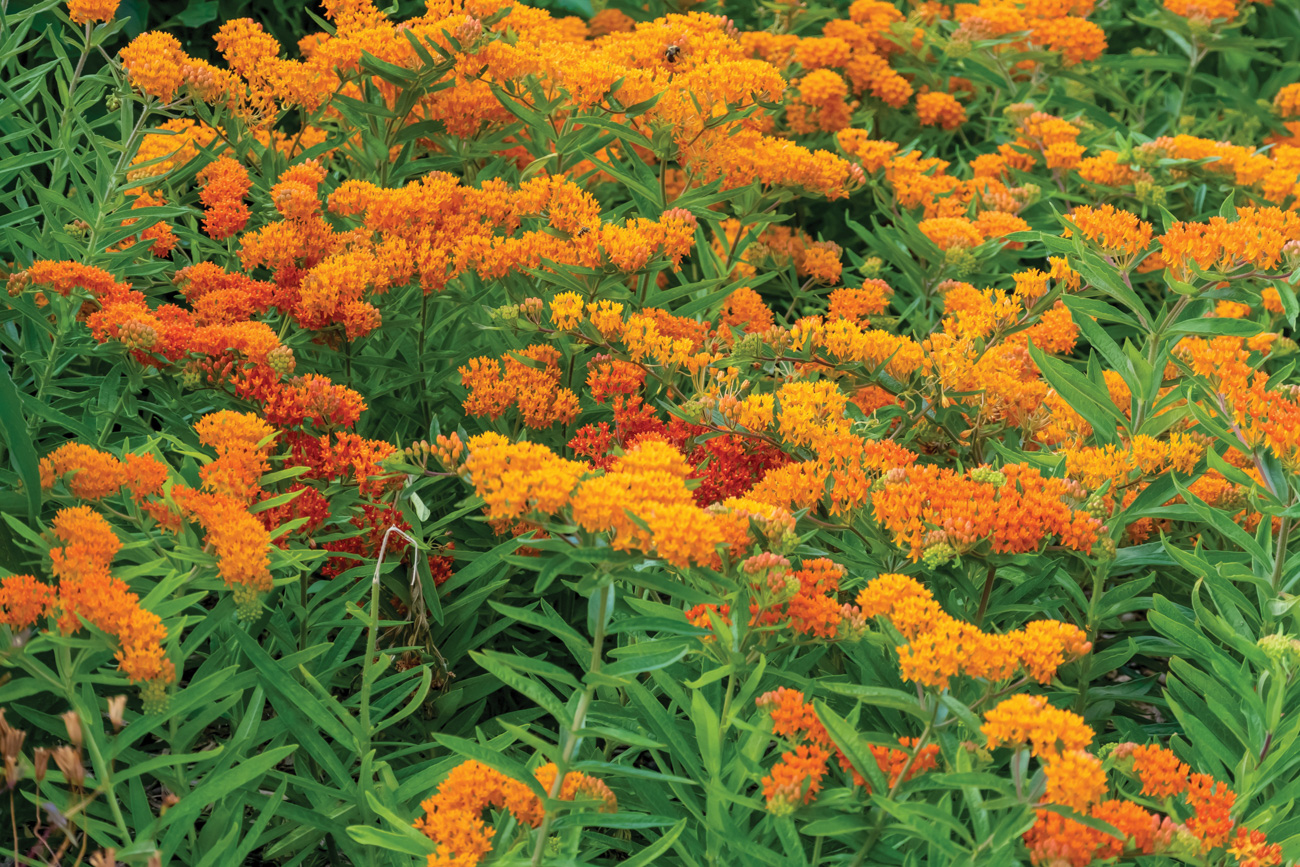
Butterfly Weed
Asclepias tuberosa
Asclepias tuberosa, commonly known as butterfly weed, is a vibrant, native milkweed species that plays a critical role in supporting pollinators, particularly monarch butterflies, whose caterpillars rely exclusively on milkweed as their host plant. Its bright orange flowers attract bees, butterflies, and other beneficial insects, providing essential nectar throughout the growing season.
Planting tips:
Full Sun || Well-drained, Sandy or Loamy Soil || Dry to Moderate Moisture
For monarch butterflies, skippers, and all bees
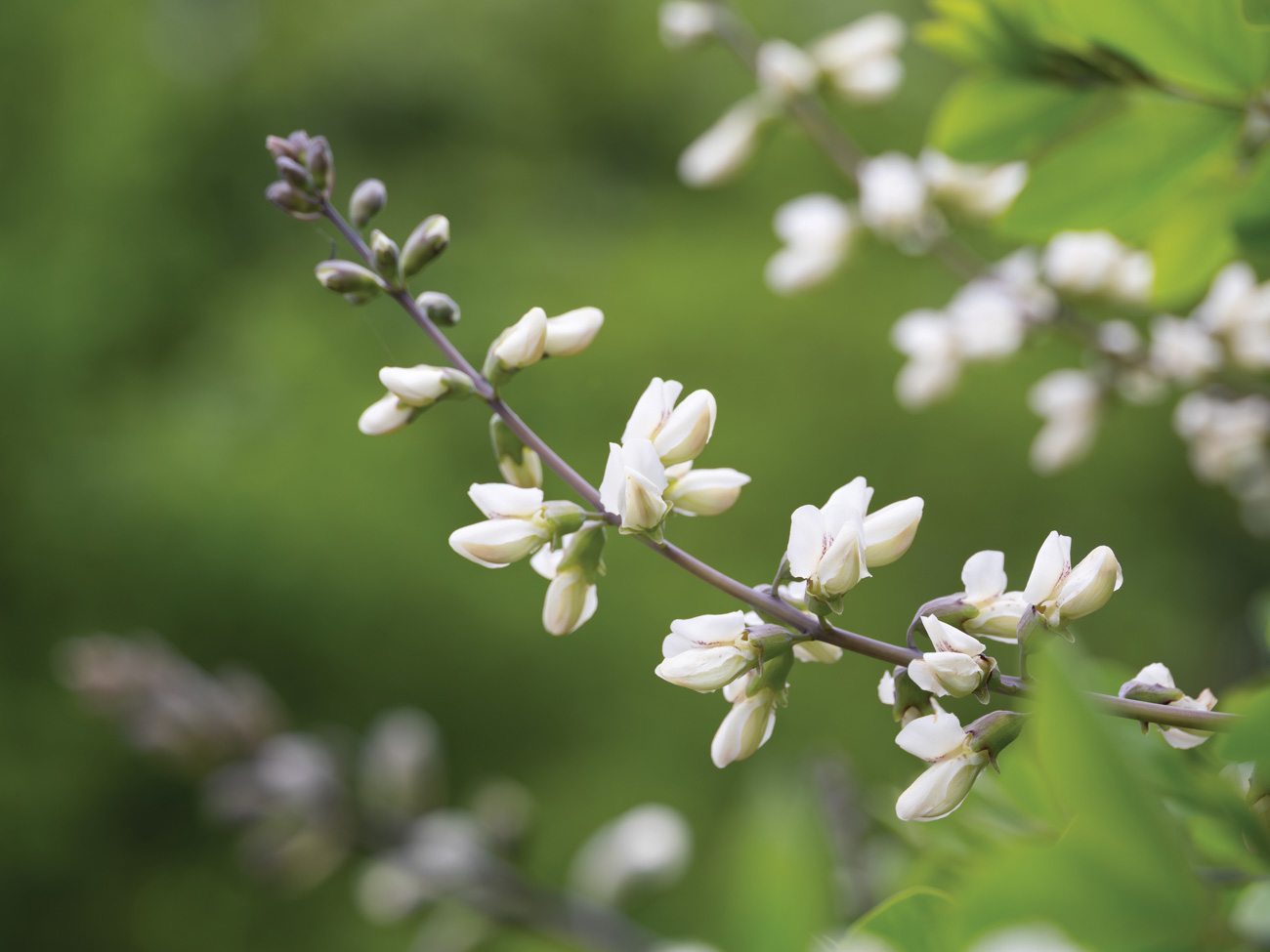
White Wild Indigo
Baptisia alba
Baptisia alba, or white wild indigo, is a perennial that fixes nitrogen in the soil, improving fertility for surrounding plants. Its striking white flowers attract pollinators such as bees and butterflies, while its foliage provides food for various caterpillar species.
Planting tips:
Full Sun || Well-drained, Sandy or Loamy Soil || Dry to Moderate Moisture
For bumblebees, honey bees, and solitary bees
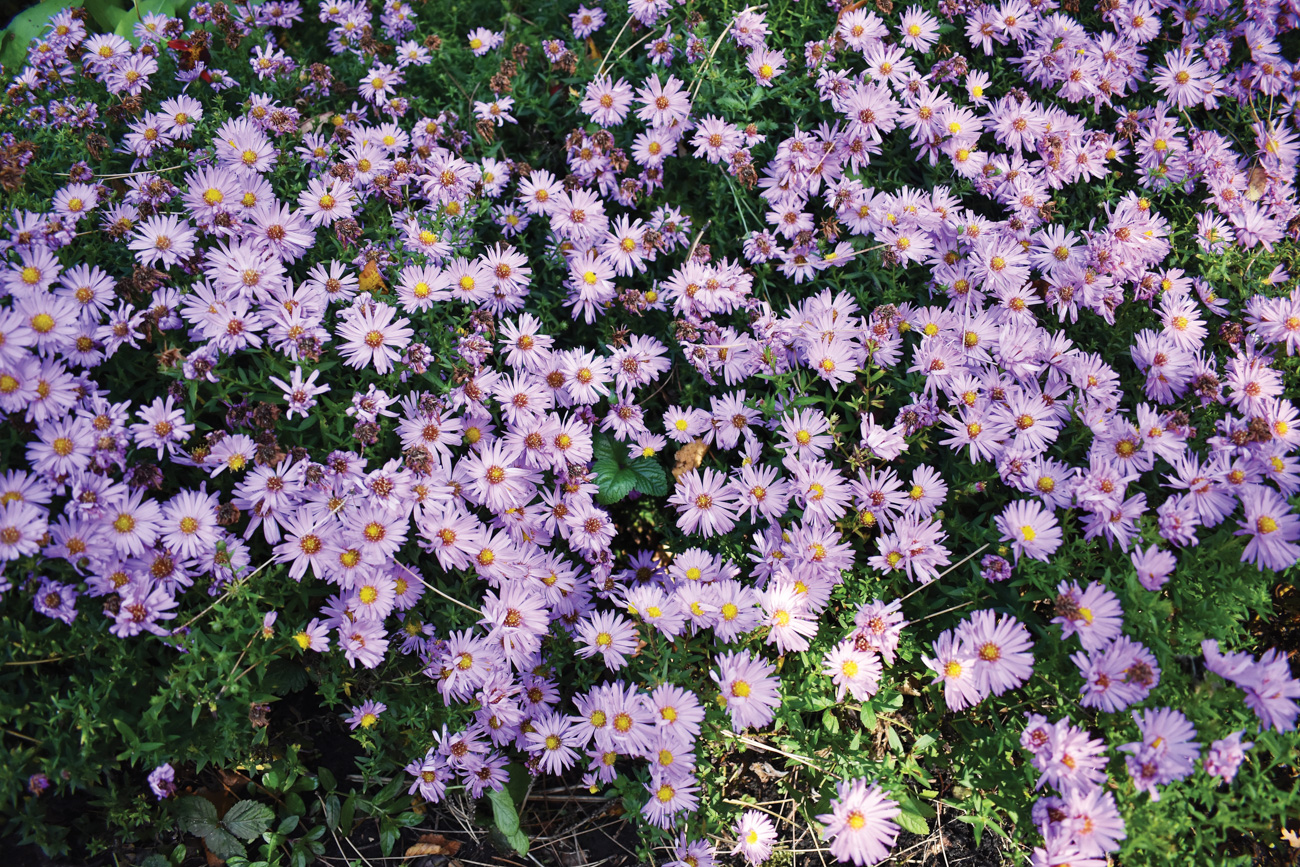
Smooth Aster
Symphyotrichum laeve
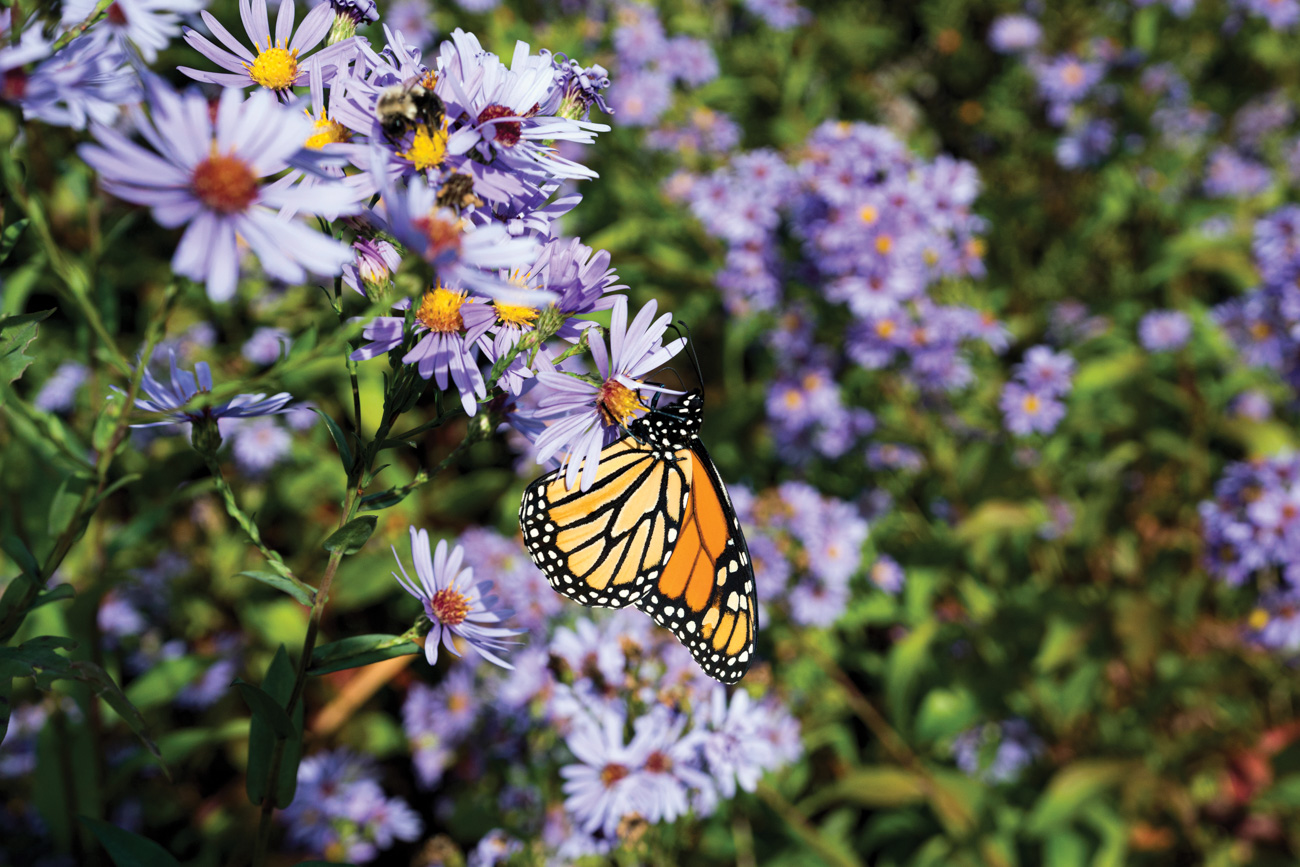
Symphyotrichum laeve, or smooth aster, is a native wildflower that provides crucial nectar and pollen at a time when many other flowers have finished blooming and are an important food source for pollinators into the fall.
Planting tips:
Full Sun to Partial Shade || Well-drained, Moist, Loamy or Sandy Soil || Moderate to High Moisture
For honey bees, bumblebees, and butterflies
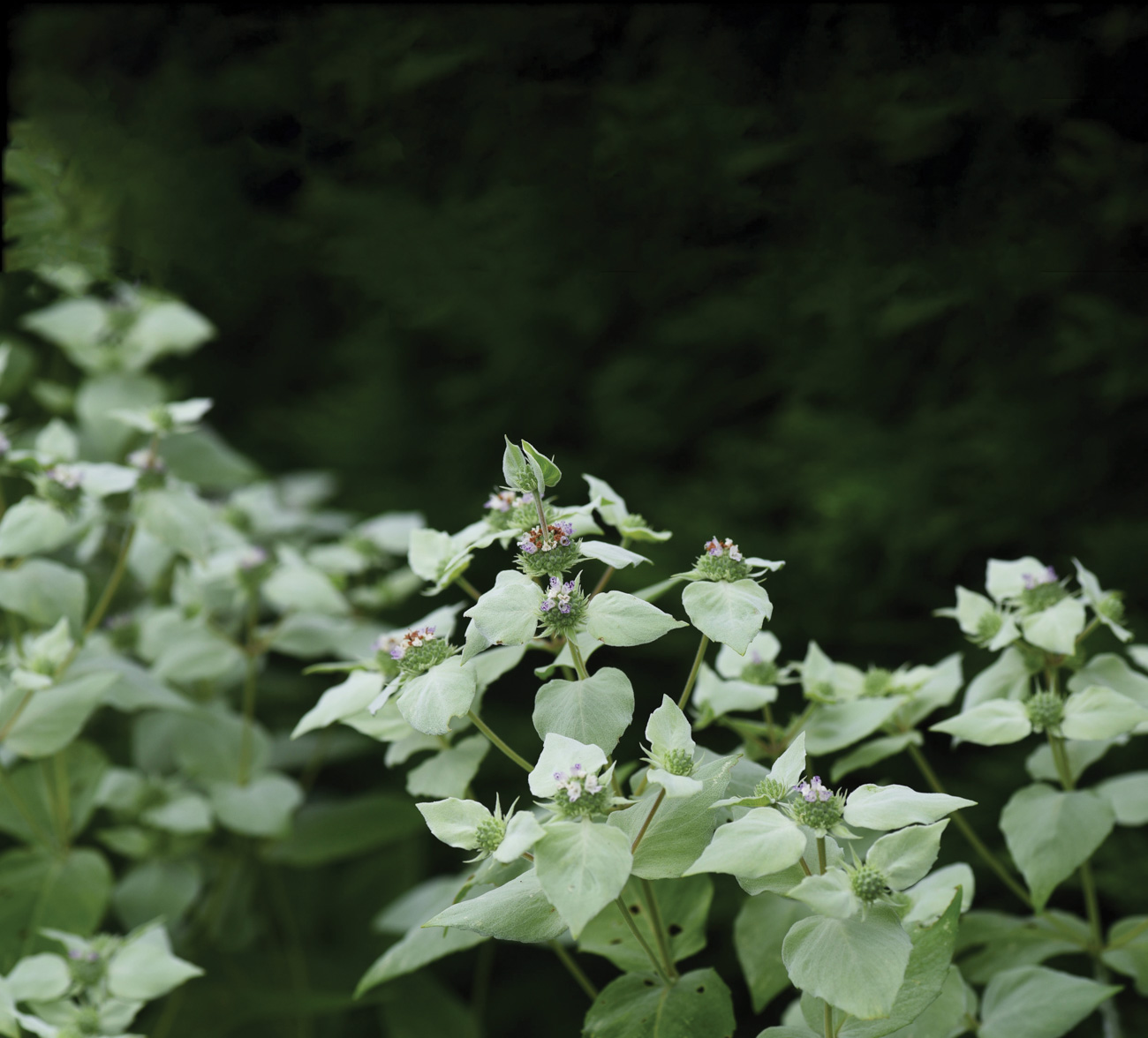
Clustered Mountain Mint
Pycnanthemum muticum
Pycnanthemum muticum, or clustered mountain mint, is a fragrant, drought-tolerant pollinator magnet. It attracts a wide range of bees, butterflies, and moths with its dense clusters of small, white-to-pink flowers. Its aromatic foliage also serves as a natural deterrent to deer, while providing habitat and food for beneficial insects.
Planting tips:
Full Sun to Partial Shade || Well-drained, Dry to Moderately Moist Soil || Low to Moderate Moisture
For butterflies, moths, and all bees
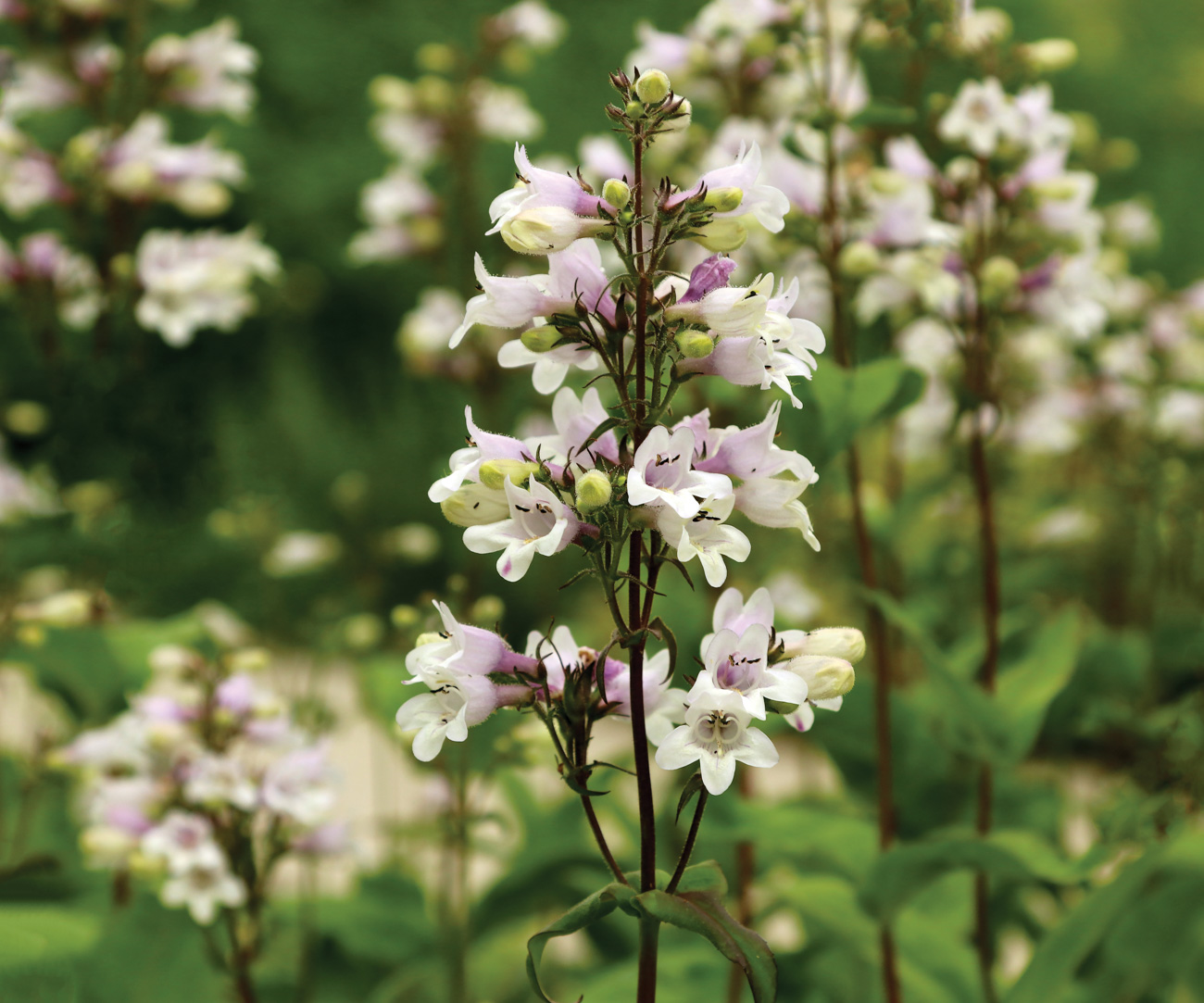
Foxglove Beardtongue
Penstemon digitalis
Penstemon digitalis, or foxglove beardtongue, is an early blooming native that supports pollinators, particularly hummingbirds, bees, and butterflies. Its tubular white flowers are an important nectar source for these crucial pollinators in spring when many natives are not yet available.
Planting tips:
Full Sun || Well-drained, Loamy Soil || Moderate Moisture
For bumblebees, carpenter bees, and hummingbirds
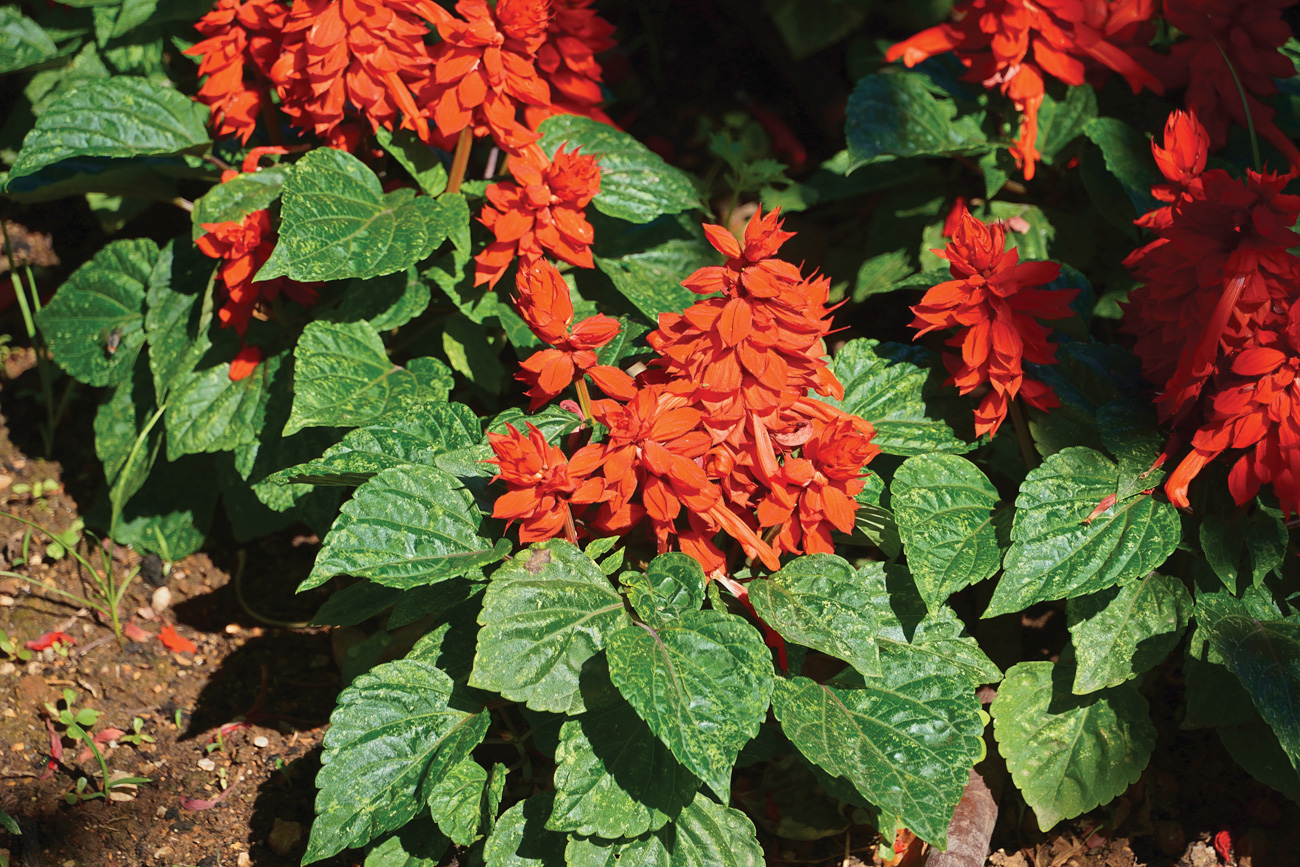
Scarlet Sage
Salvia coccinea
Salvia coccinea, commonly known as red sage or tropical sage, attracts a variety of pollinators, particularly hummingbirds, butterflies, and bees, with its tubular red flowers. In addition to its role in pollination, red sage’s drought tolerance and deep root system help stabilize soil and conserve water, making it an important component of sustainable ecosystems. It is also deer resistant!
Planting tips:
Full Sun || Well-drained, Dry to Moderately Moist Soil || Low to Moderate Moisture
For hummingbirds, butterflies, and all bees
TIPS FOR PLANTING
Is the deer population high in your area?
Embrace the inevitable. Plant large swaths of deer-friendly natives and plan to share. And while your new native plants are getting established, consider spraying organic deer-repellent fragrance. Shield deer favorites with some they don’t like (Mountain Mint, for example). Plants are most attractive and vulnerable when they are tender and new. Be vigilant early on.
Foundation Planting
Shrubs and understory plants play a crucial role in maintaining the health and balance of the ecosystem. They provide shelter, food, and nesting sites for a wide range of animals, including birds, insects, amphibians, and small mammals. Shrubs also help regulate the microclimate by moderating temperature, retaining moisture, and reducing wind. Dense vegetation prevents soil erosion, improves nutrient cycling, and supports forest regeneration by nurturing young trees and plants.
Bang for Your Buck
The top three host plants for insects are goldenrod, sunflowers, and asters. Like the Southern Live Oak, these species sustain multiple insect populations and can make a big impact. Other native plants play an equally crucial role but support fewer species.
Wet Underfoot?
Consider a rain garden! A rain garden is a shallow, landscaped depression designed to capture, absorb, and filter rainwater runoff from roofs, driveways, streets, and other impervious surfaces. Filled with water-tolerant native plants, rain gardens slow down and soak up runoff, allowing water to percolate into the ground rather than rushing into storm drains. Some of the best natives to plant in a rain garden are Swamp Milkweed, Blue Flag Iris, Sweetspire, and Joe-Pye Weed. Happy planting!
Sourcing Natives
Native plants can be hard to source. The Kiawah Conservancy offers an assortment of options at their fall and spring native plant sales. Visit kiawahconservancy.org for a full list of native plants.