A Homecoming, By Design
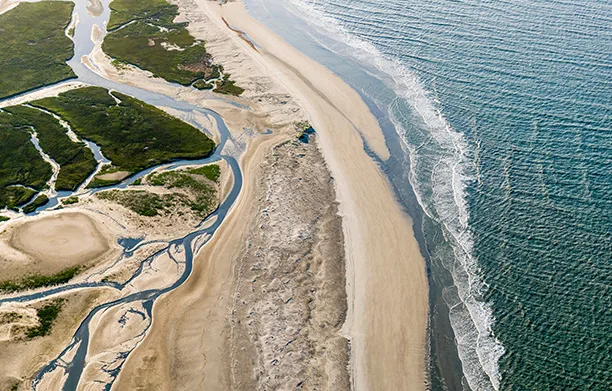
Beau Welling is deeply connected to this corner of the Lowcountry. He grew up in Greenville, South Carolina, and his family kept a home on Kiawah Island during his childhood. The roads and marshlands here are embedded in his memory long before they appeared on any design plan.
His credentials are as compelling as his biography. Welling earned a degree in physics from Brown University, where he also played on the golf team, before studying landscape architecture at the Rhode Island School of Design. A visiting scholar at Trinity College in Dublin, he discovered links golf firsthand, a formative encounter that would quietly inform everything that followed. He rounded out his education with a master’s in international business from the University of South Carolina.
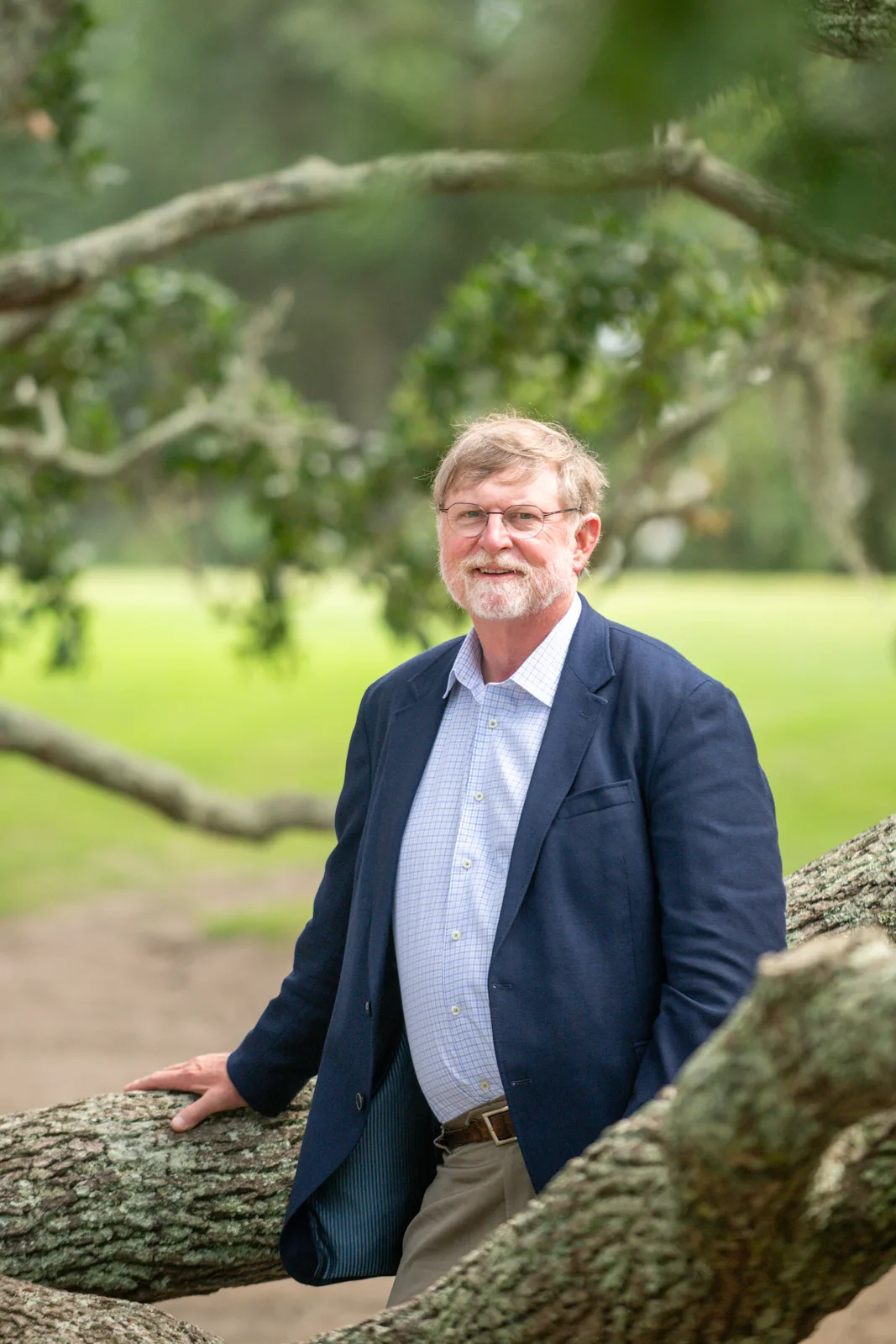
His career moved at the same breadth. Welling spent a decade under the tutelage of famed golf course architect Tom Fazio before founding his own firm, Beau Welling Design. His firm’s portfolio spans the Bahamas, Scotland, and PGA Frisco in Texas, where Welling served as principal planner of the award-winning facility and designed its Fields Ranch West Course, as well as a celebrated collaboration with Tiger Woods and TGR Design.
In many ways, Orange Hill is the project his career has been moving toward—a homecoming shaped by a lifetime of looking closely at land.
The Design Vision: Old World, Walkable, Timeless
Approximately 300 acres of Orange Hill’s 933-acre property will be devoted to golf, nearly one-third of the entire site. At the heart of that offering is an 18-hole, championship-caliber golf course designed to feel “timeless and classic from opening day.” Welling says the key to that timelessness lies in the land itself.
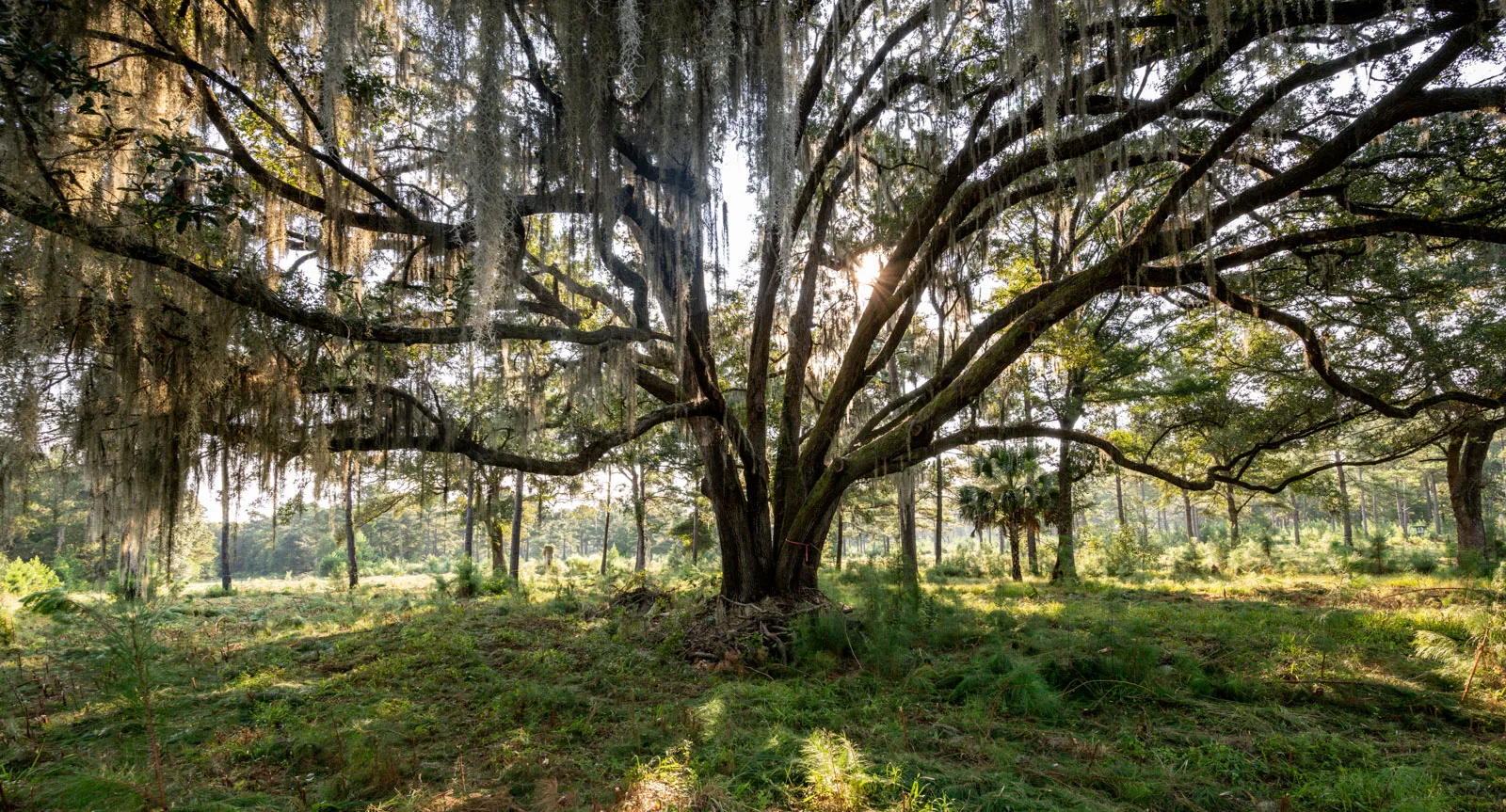
Welling was inspired by traditional courses, and his plans for Orange Hill feature what he calls “Old World slopes and contours around the greens.” Local precedents like Yeamans Hall Club and the Country Club of Charleston inform his thinking: both are celebrated for a gentler imprint on the land, for courses that feel grown rather than built. Orange Hill, with its stately live oak canopy and terrain that Welling suspects may once have been ancient Sea Island dunes, offers a natural foundation for that aesthetic.
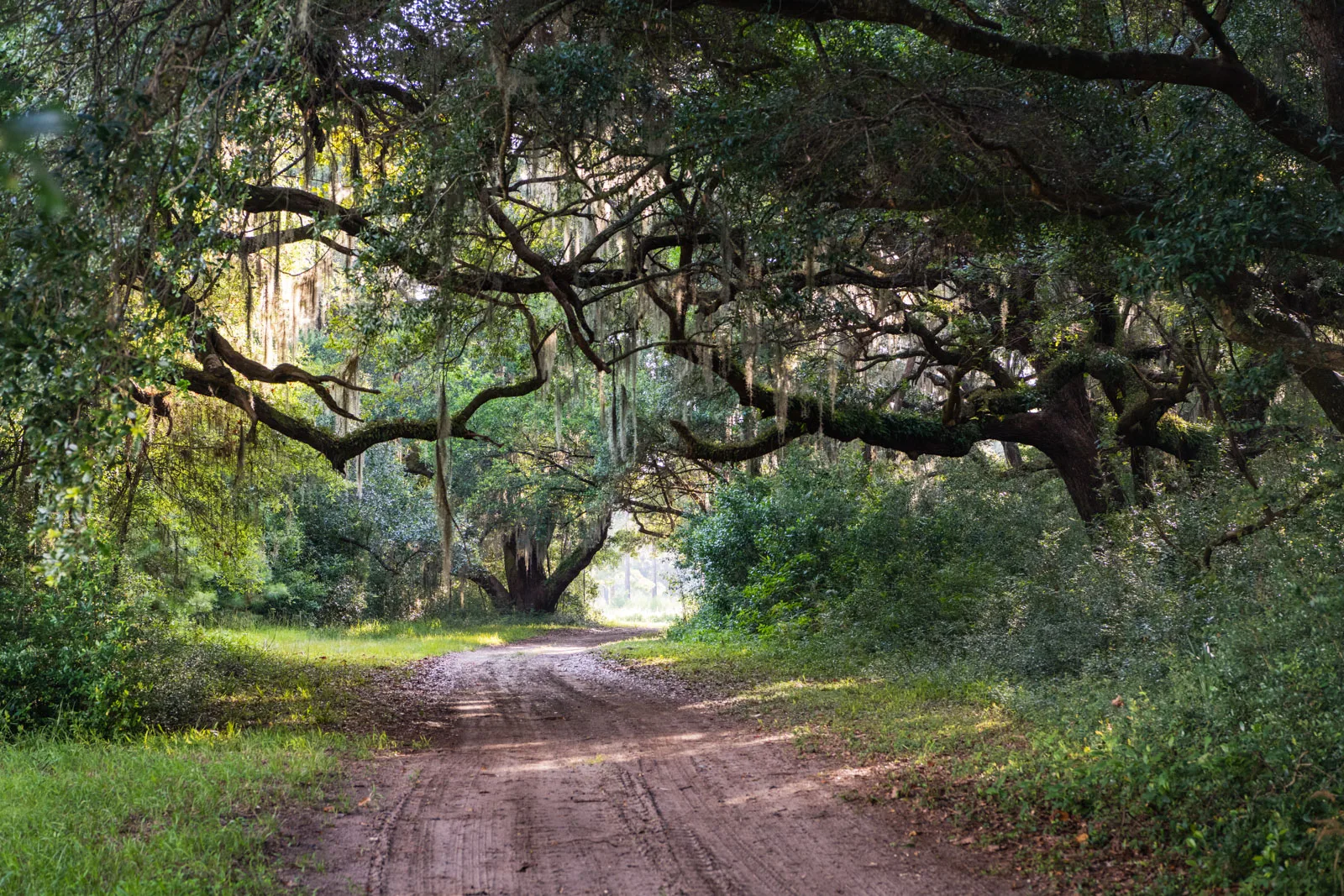
The course is designed to be walkable and approachable, while still offering a meaningful challenge. Each hole is distinct, the gently rolling terrain rewards strategic thinking, and the natural sandy areas throughout the property (not traps, but simply native to the landscape) add another dimension for more seasoned players. As Welling describes his process: once the grading and technical work begin, he will return to stand among these pines and oaks and the design will become “more about what’s right in front of you.”
Complementing the 18-hole course are extensive practice facilities, including a short course. For Members, the practice experience at Orange Hill will be incomparable in the Kiawah Island portfolio.
A Community Woven Into the Land
Golf is central to Orange Hill, but the philosophy Welling brings to the course—preserve the land, work with what is there, leave as much as possible untouched—is the same philosophy that shapes the community around it. Residential opportunities will include a thoughtful mix of homesites, homes, and cottages integrated with natural open space. A scenic entry off River Road will wind through the community, past the homes and Club amenities, framing arrival as an experience in itself.
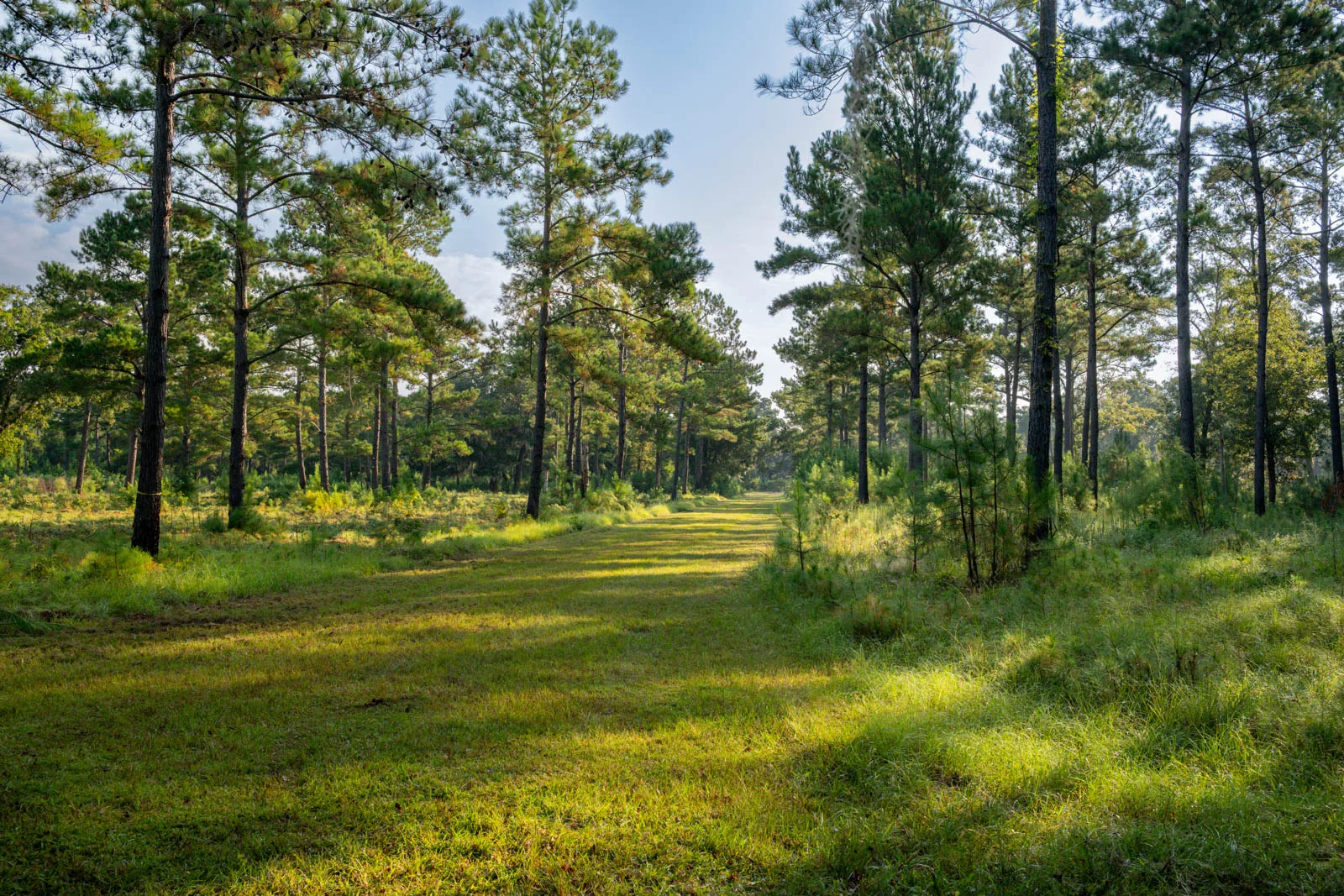
Throughout the property, more than 3,100 protected and grand trees were identified during assessment. The design preserves 88% of the highest-graded trees and designates 365 acres for natural conservation.
That stewardship extends beyond the property lines: the development will contribute nearly $2.2 million toward community services on Johns Island, including $500,000 to Sea Islands Habitat for Humanity.
Kiawah’s Next Chapter Is Taking Shape
Legacy, by nature, takes time. But there will come a day when the oaks at Orange Hill cast their shadows over a finished fairway, when the first Members walk off the 18th green, and the community has become exactly what Welling imagined standing there among the pines. That day is closer than it appears.
Orange Hill began the first phase of construction in August 2026. For those interested in being among the first to own, the moment to engage is now.
To learn more about Beau Welling’s design vision and accomplishments, click here.
To be among the first to receive details, release information, and exclusive updates, click here.