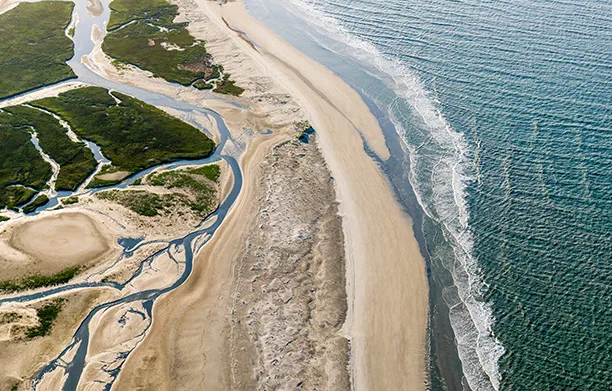

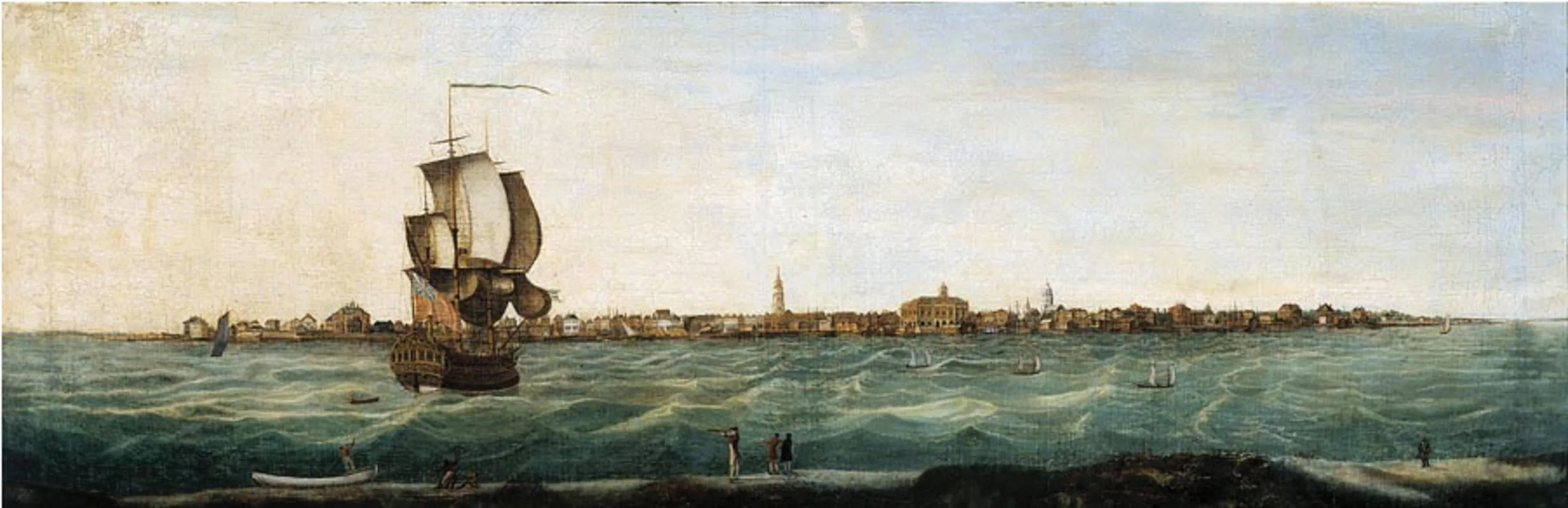
Ten Views of the Island of Antigua by William Clark, 1823. Courtesy of Britannica.
In the seventeenth century, Barbados was the model; Carolina the experiment. What followed was a bond of commerce, culture, and survival that still echoes in both places.
Story by Dr. Christina Rae Butler
Walk Charleston’s cobbled streets or wander the sugarcane fields of Barbados, and the echoes of a shared past rise quickly to the surface. The heat hangs heavy, the air thick with salt and humidity, storms brewing on distant horizons.
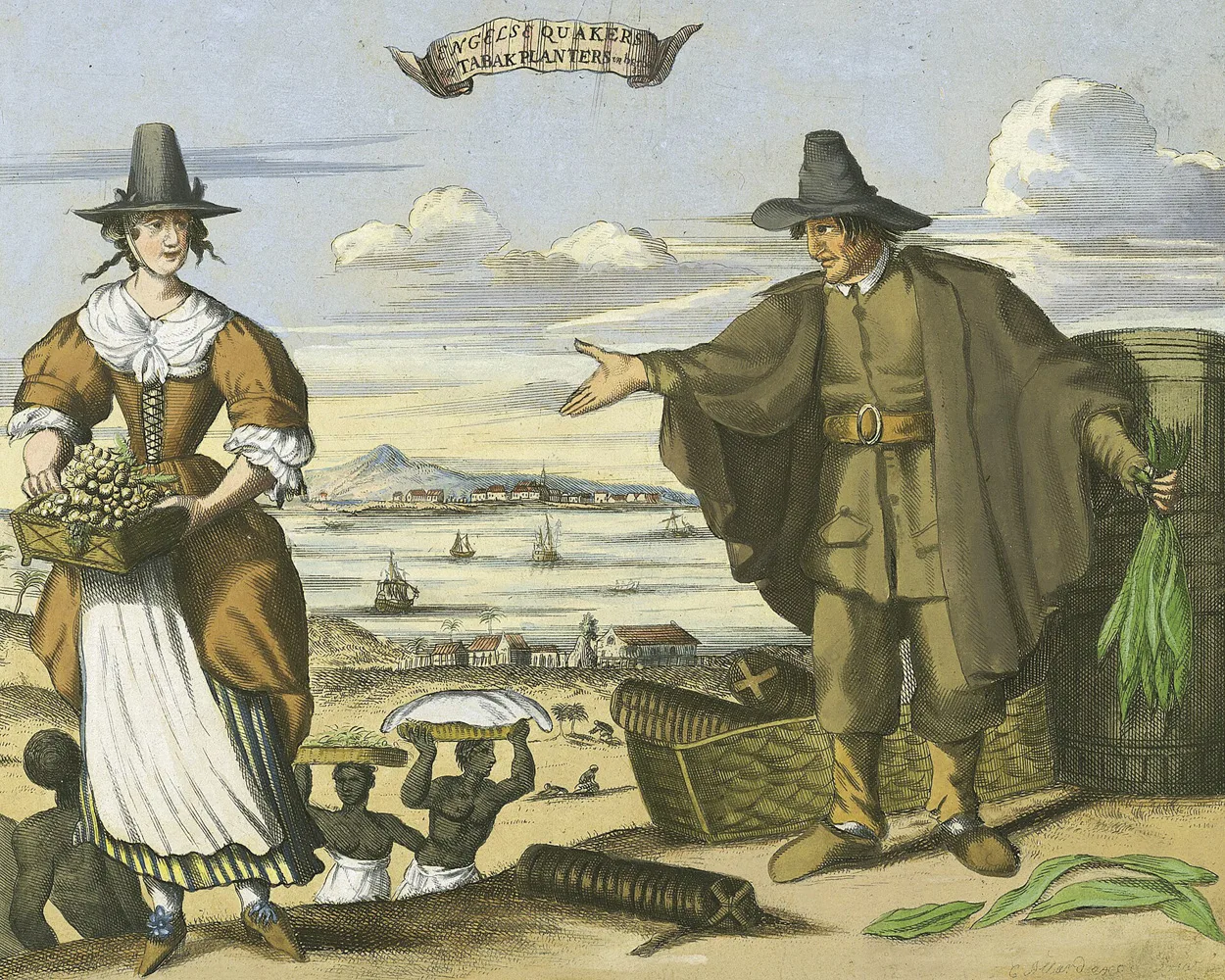
From their beginnings, both places thrived on plantation agriculture sustained by enslaved labor—South Carolina exporting rice, cotton, indigo, and naval stores, while Barbados shipped sugar and rum. Bound to the same British Atlantic world, they inherited Georgian facades, Anglican churches, and English laws and customs, yet each transformed those influences into something distinctly its own. Out of the mix of African, Caribbean, and English traditions, cultures of remarkable depth and resilience emerged. As historian Nic Butler observes, “Before the nineteenth century, Charleston and the Lowcountry of South Carolina had much more in common with the island of Barbados than any one of our neighbors in the United States.”
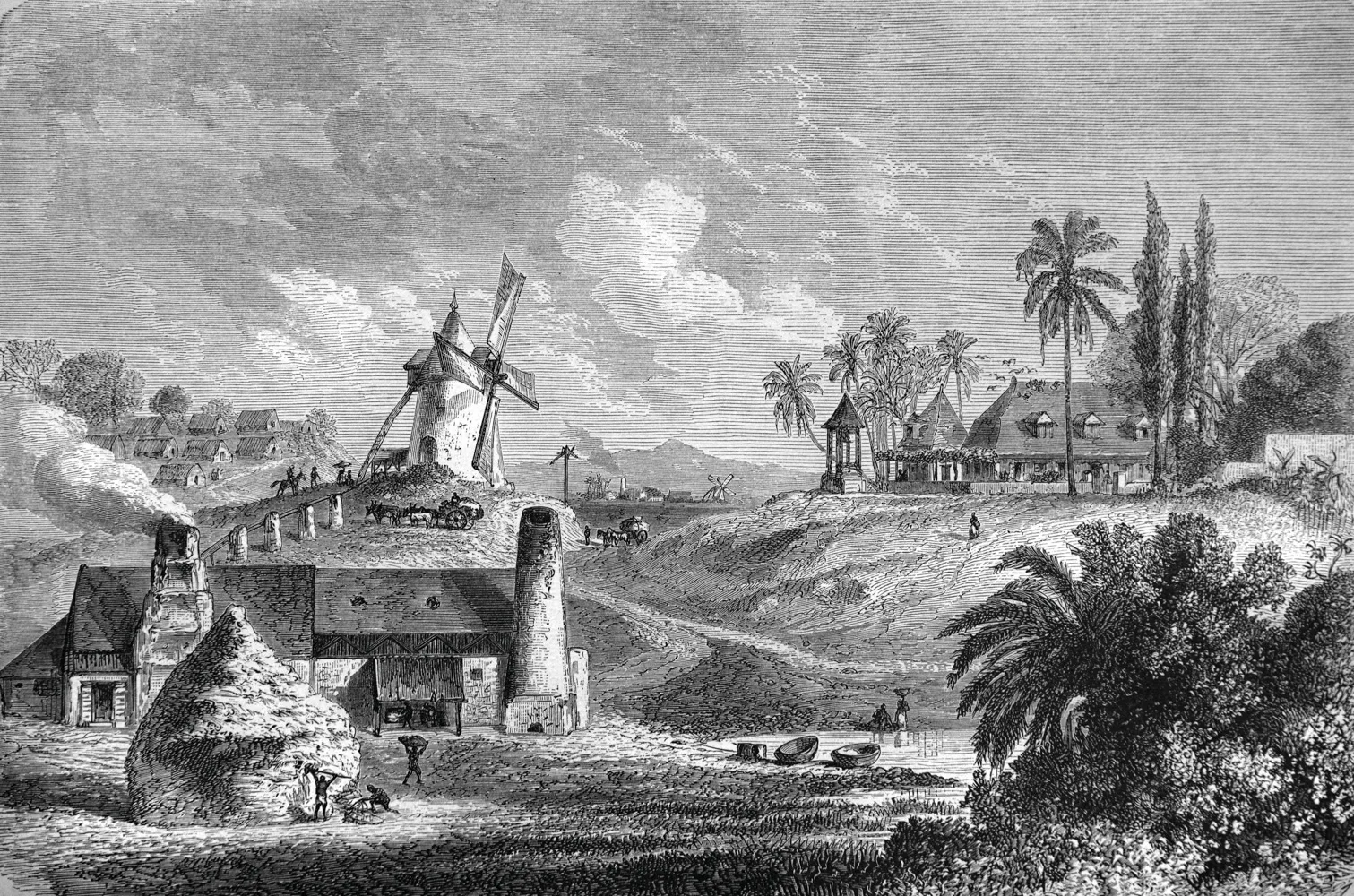
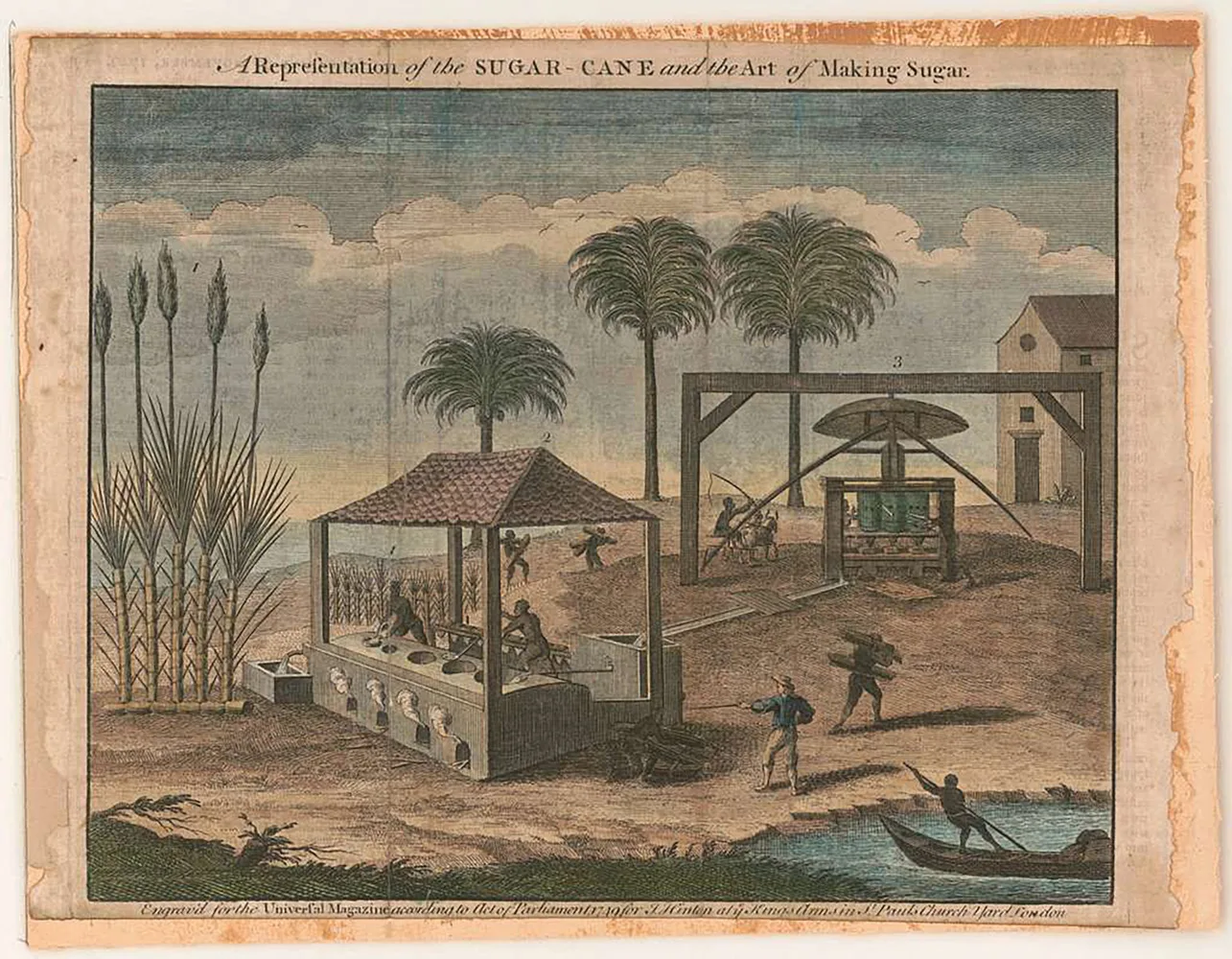
Barbados is a small, hilly island bound by the Atlantic Ocean and the Caribbean Sea. The western side is low-lying with calm, protective bays, while the eastern shore is rocky and wild, pounded by heavy surf. Today, its landscape remains quilted with tropical forests, scattered sugarcane fields, and bustling port cities such as Bridgetown, the capital, and Speightstown along the coast. Before the British arrived, the island was inhabited by Amerindians and visited by Spanish and Portuguese sailors. When the English claimed it in 1627, they brought free settlers, exiled criminals, and indentured servants, many from Ireland, who struggled to make tobacco thrive. Within a generation, sugar had transformed Barbados into one of the wealthiest English colonies in the world. Dutch traders and Sephardic Jewish merchants helped push the new commodity into European markets, while enslaved Africans provided the brutal labor to keep the plantations running. By the 1640s, Barbados had become a wealthy plantocracy, and by the end of the century it had a Black majority. Its monoculture economy and unyielding reliance on slavery became a model for South Carolina, the younger colony to the north. The Fundamental Constitutions of 1669 even carried a distinctly Barbadian clause: “every freeman of Carolina shall have absolute power and authority over his negro slaves, of what opinion or religion soever.” By 1706, South Carolina too had an enslaved majority.
COLONY OF A COLONY
The political ties between the two colonies began before English settlers even set foot in Charleston. By the 1660s, Barbados was the richest English colony in the Americas, but at just one-tenth the size of Charleston County, land was scarce and nearly every acre planted in sugar. Provisions were in short supply, and Barbadian planters began looking outward. As Nic Butler explains, “The Barbadian planters and investors’ desires led to the creation of a new English colony on the North American mainland, a place called Carolina.” Convinced of the potential profits, King Charles II granted a charter in 1663 to eight investors known as the Lords Proprietors—several of whom, like Lord Anthony Ashley Cooper and Sir John Colleton, owned plantations in Barbados.
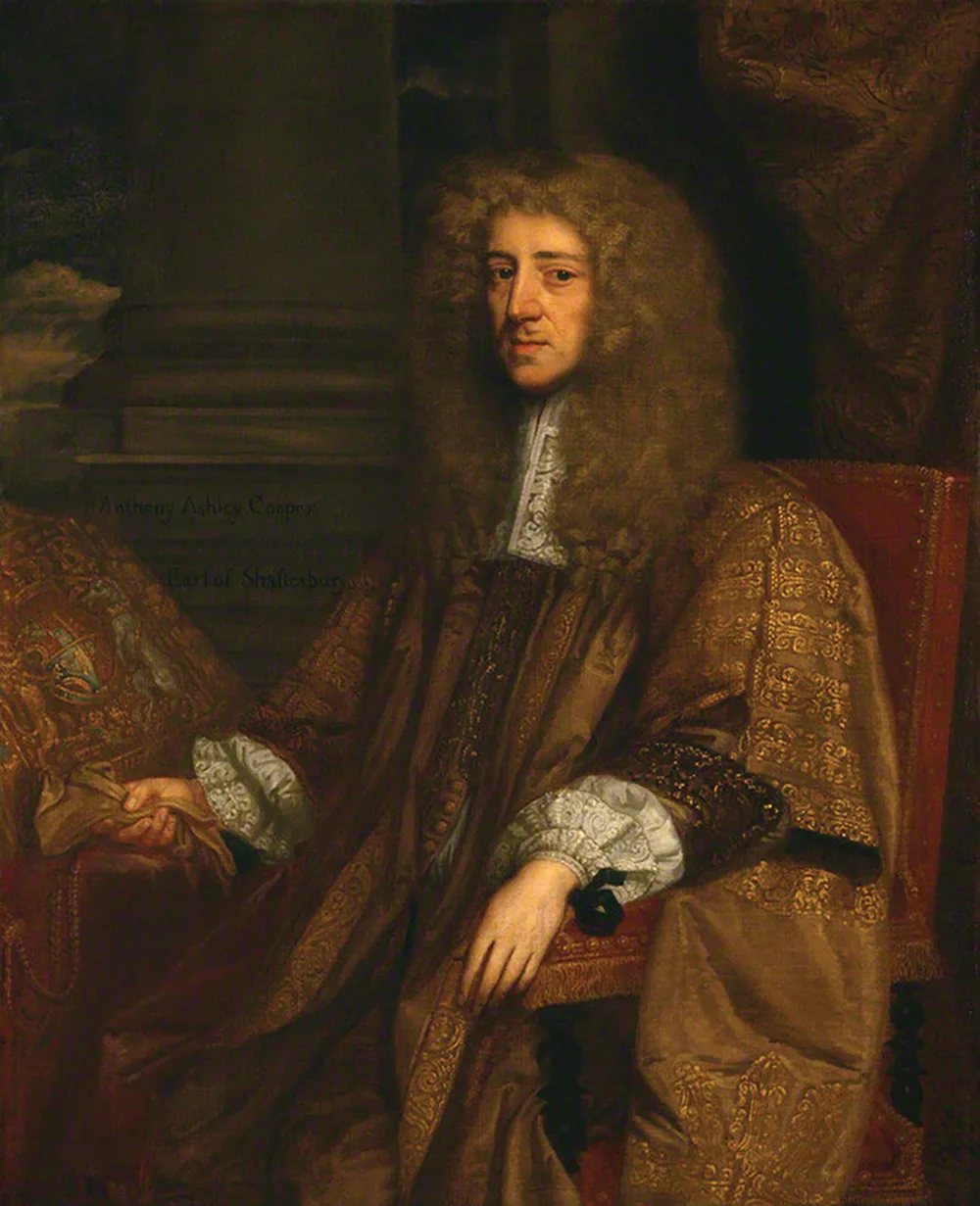
South Carolina soon became the main provisioner for Barbados, shipping lumber, barrel staves, salted beef, and other supplies to the land-starved island. In return, Barbados sent rum, sugar, and molasses northward, along with its other chief export: migrants. Both white and enslaved Barbadians came to South Carolina in significant numbers. Many of the colony’s first leaders had Barbadian roots, among them governors John Yeamans, James Colleton, and Robert Gibbes. Florence O’Sullivan, the enigmatic Irishman who gave his name to Sullivan’s Island, was another Barbados transplant. He likely left the island as a Catholic soldier of fortune, barred from holding land or office, and reappeared in Carolina as an infantry captain.
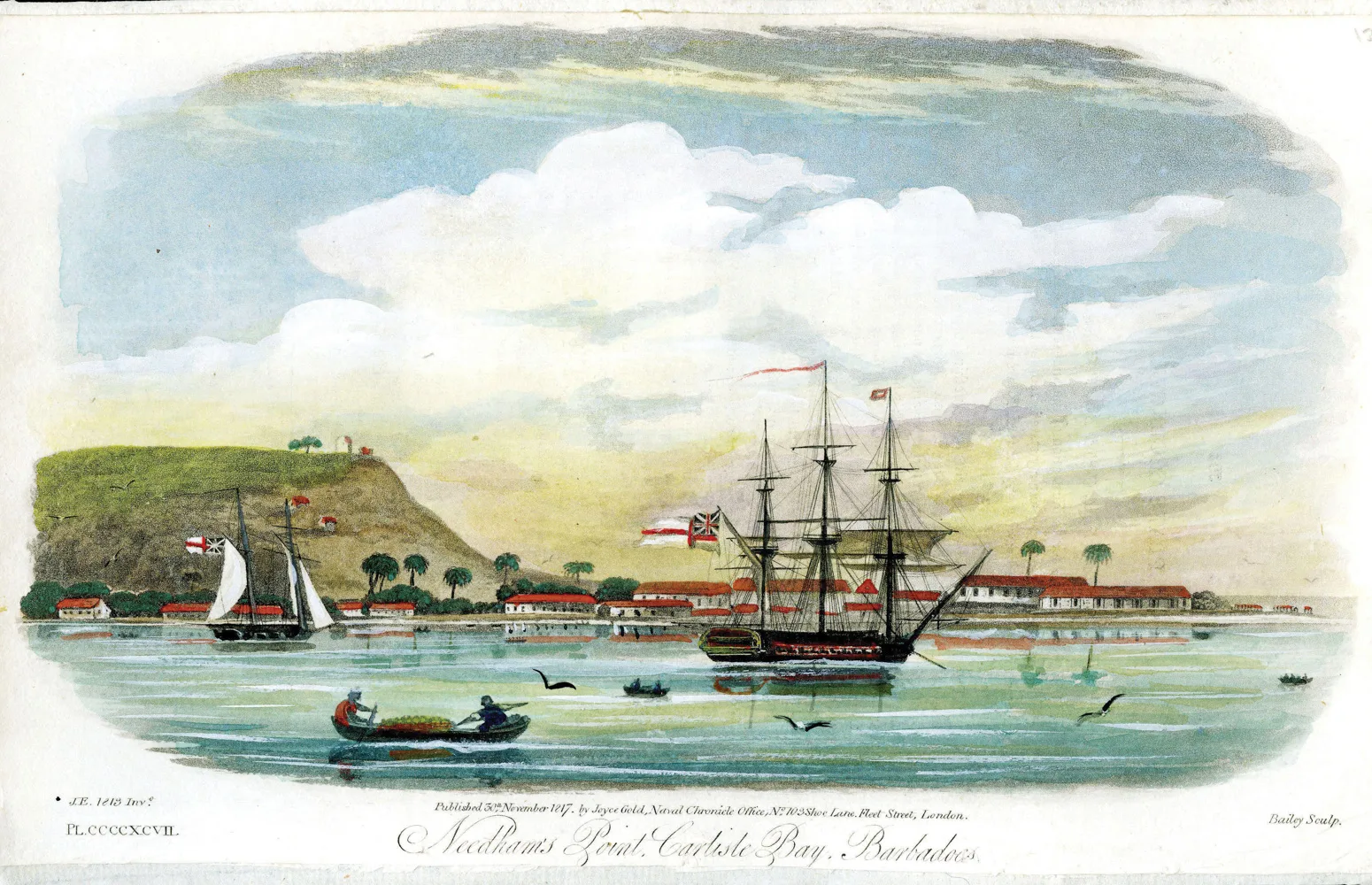
The maritime connections between the two colonies also attracted less savory characters. Charleston’s infamous “Gentleman Pirate,” Stede Bonnet, was a Barbadian landowner before taking to the seas. The Goose Creek Men, a faction of wealthy Barbadian planters who settled near Charleston, became notorious for their ruthless pursuit of profit. They supported Indian slave trading, colluded with pirates, and resisted the authority of the Lords Proprietors. Historian Robert Weir described John Yeamans as “an aggressive Barbadian” and “a pirate ashore,” willing to sell desperately needed provisions back to the colony at inflated prices. Robert Daniell, namesake of Daniel Island, and Arthur Middleton, whose descendants became a powerful Carolina dynasty, also moved in these circles. The politics were cutthroat, and allegiances shifted with the winds of opportunity.
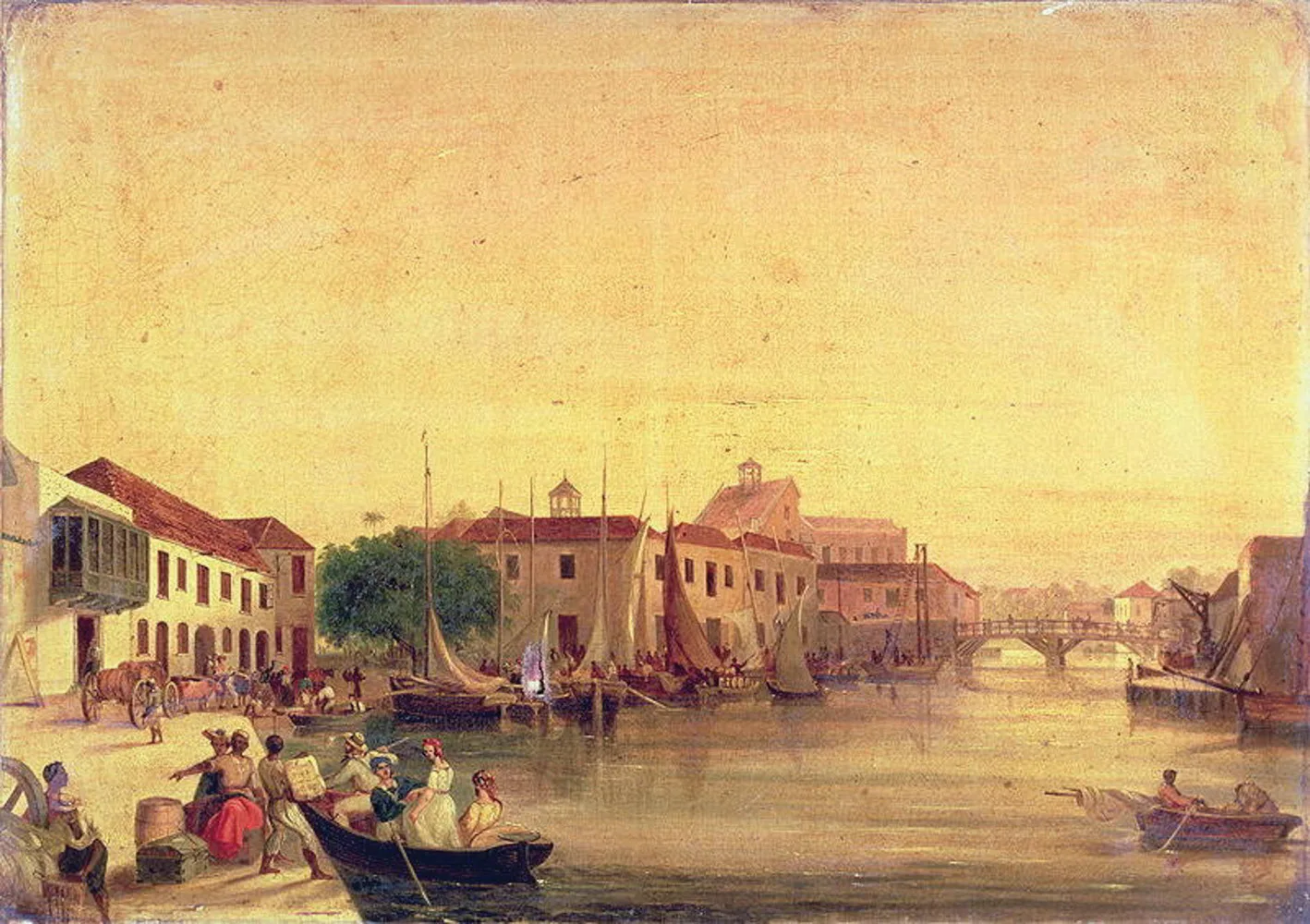
CULTURE AND CONTINUITY
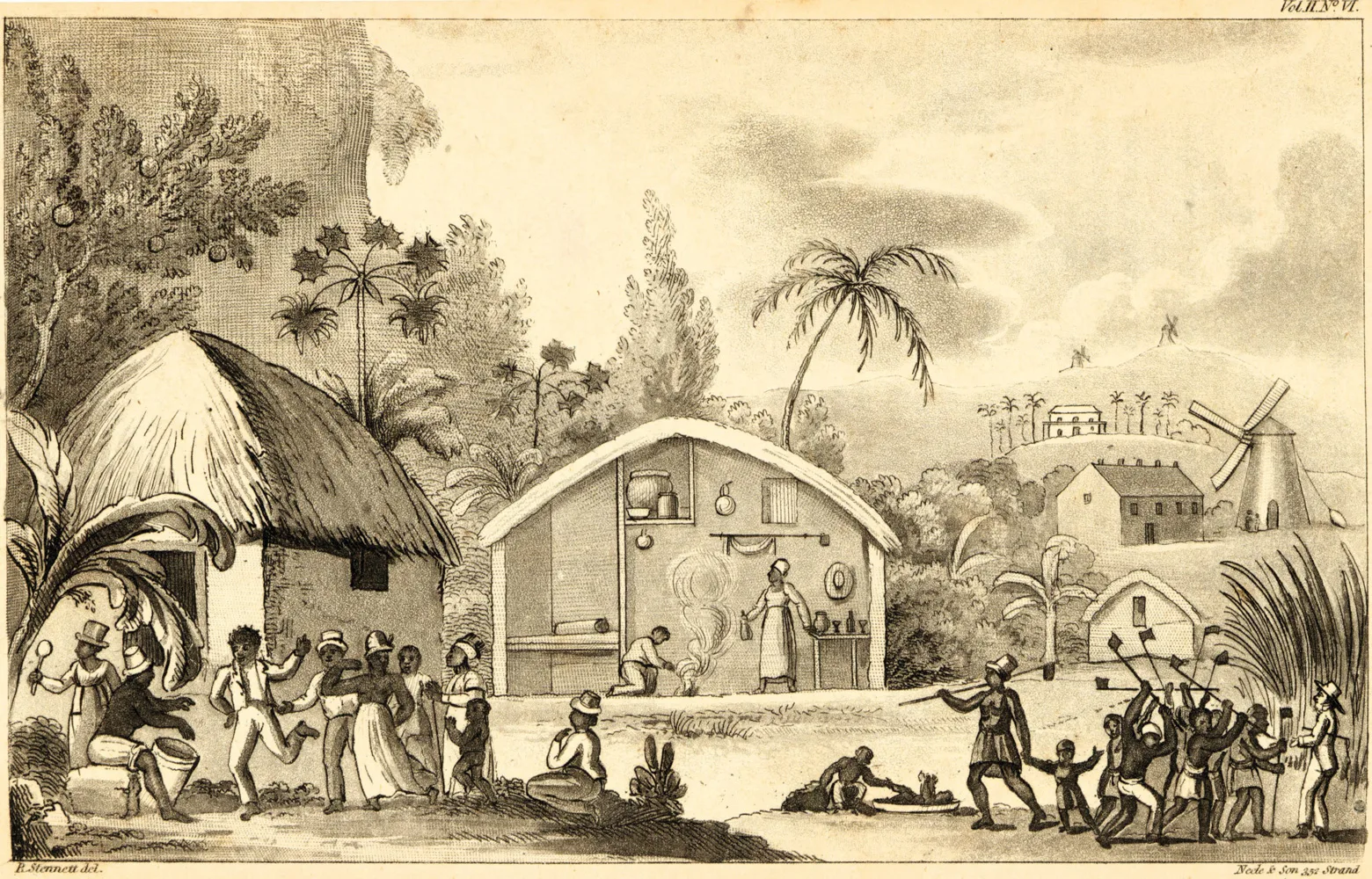
Though plantations in South Carolina sprawled across larger tracts of land, the physical landscapes looked familiar to Barbadian eyes: fields of crops, processing areas (sugar mills on the island, indigo vats in Carolina), housing for the enslaved, and the planter’s “big house” with formal gardens. Enslaved people in both colonies often built their own dwellings from whatever materials were at hand. Both societies were divided into parishes named for English saints—Christ Church, St. Michael, St. Philip, St. John—a pattern still visible in Charleston’s map and mirrored in Barbadian districts.
Cuisine carries the imprint as well. Barbados’s national dish, cou-cou with flying fish, recalls the Lowcountry’s shrimp and grits. Staples like fish, crawfish, macaroni pie, okra, sweet potatoes, and pork filled tables in both places. Conkies—cornmeal dumplings steamed in banana leaves—parallel Carolina hush puppies. Chitterlings, pickled pigs’ feet, and hearty, no-waste stews like gumbo appear in both traditions. Even souse—known in the South as hog’s head cheese—was a holiday delicacy in both regions. Put simply, Lowcountry soul food would be right at home in Barbados.
Architecture tells the story just as vividly. Barbados’s high-style buildings were cut from coral limestone and dressed with Georgian details, while Charleston’s elite houses relied on Bermuda stone and local brick. Both borrowed from English neoclassicism, but builders adapted to their tropical settings with steep hipped roofs against storms, wide piazzas to channel breezes, and pastel limewashes to reflect the sun. The most striking architectural link is Charleston’s single house, a form now rare in Barbados but iconic in the Holy City. Narrow and just one room wide, stretching deep into slim lots, the single house suited dense urban grids and hot, humid climates. The front door, placed halfway along the long side, opened to a central stair hall, while piazzas—Charleston’s word for porches—ran the length of the building. Fires in Bridgetown erased many early examples, leaving Charleston with the oldest survivors, but most scholars agree the form migrated north. Practical and elegant, the single house proved less fire-prone than English row houses with shared walls, and it became Charleston’s defining vernacular.
A LIVING LEGACY
The continuities between island and mainland still endure. In Barbados, Bajan creole—a blend of British, West African, and Caribbean influences—remains the language of everyday life. In the South Carolina Lowcountry, Gullah culture preserves a similar mix of African and English traditions, strongest in rural and island communities. Both are living testaments to resilience and adaptation in the face of centuries of upheaval.
The Barbados and Carolina Legacy Foundation, led by Rhoda Green, works to sustain these connections through research, exchanges, and cultural celebrations. Thanks to the dedication of Bajan and Gullah peoples, historians, anthropologists, and heritage tourism advocates, the ties between these two colonial sisters continue to strengthen in the twenty-first century. They remind us that the bond between Barbados and South Carolina is not only a story of the past but a living legacy—one still tasted in food, heard in language, and seen in the built landscapes of both places.